When Diarra Found Basketball, She Found Her Voice
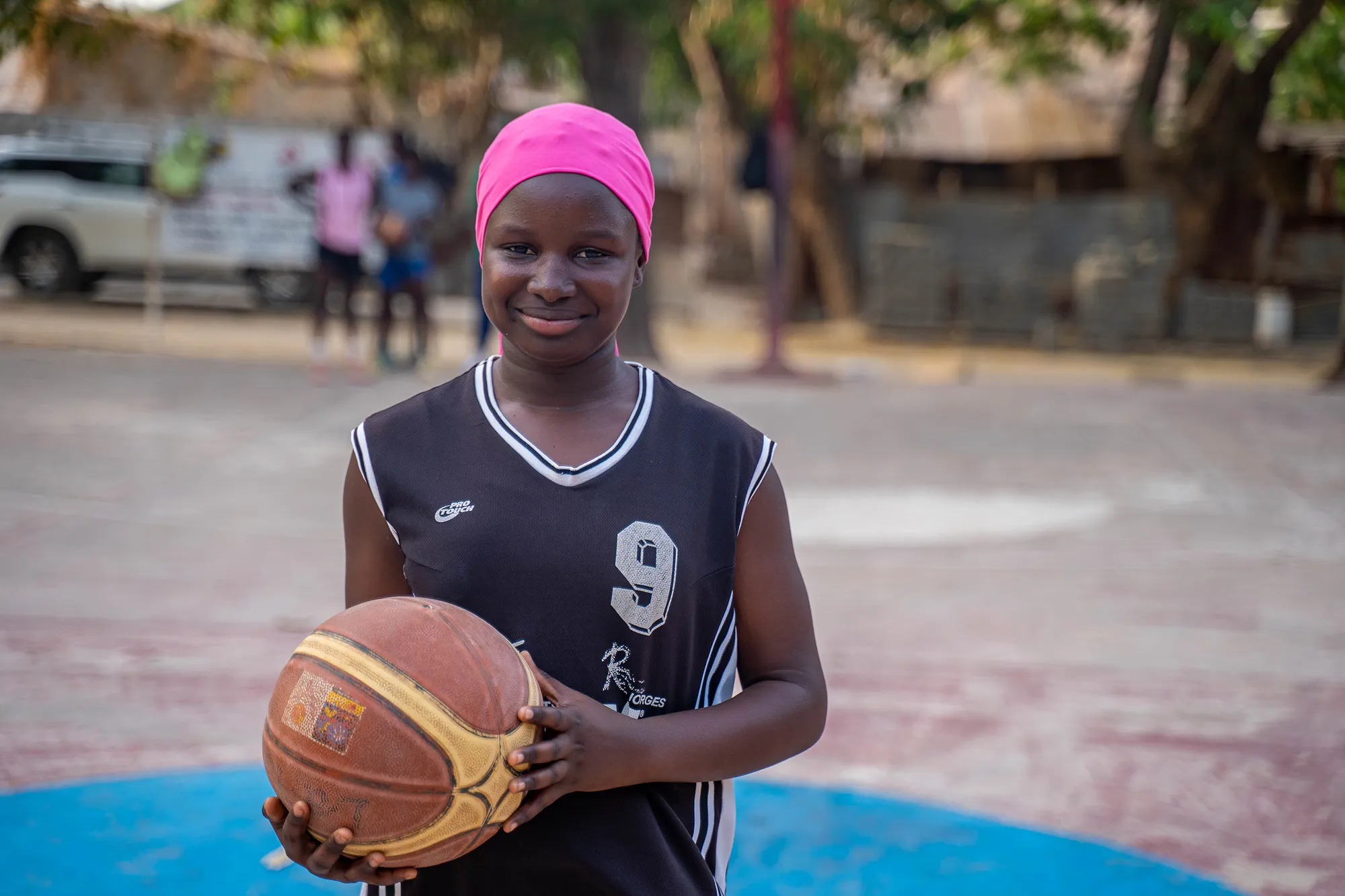
On a warm, open-air basketball court in Ziguinchor, Senegal, 14-year-old Diarra weaves confidently between her teammates, the sound of bouncing balls and laughter filling the air. She exchanges playful shoves and quick passes with her friends, their movement, adding vibrant energy of the court.
Just a few years ago, Diarra’s life looked very different. Living with asthma meant frequent illness, long days confined to her bed, and missing weeks of school. While other children played and learned together, she often watched from the sidelines, feeling isolated and unsure of her place among her peers.
Growing Up with Barriers and Breaking Through Them
In Senegal, many girls still face challenges that make it hard for them to participate in sports. Deep‑rooted gender norms and expectations, including early marriage, which affects nearly 1 in 3 girls, and many household responsibilities, often limit their freedom to play or participate in activities outside the home. Only 14% of girls feel they have a say in decisions about their education or future, making opportunities like sports even harder to reach. For girls like Diarra, these ideas can limit their chances to build confidence, make friends, and learn important life skills through play.
Things began to change in 2021 for her when her father, who also coaches at the Peryssac Basketball Club, encouraged her to try attending a practice session. The club, supported by Right To Play’s Renforcement des Capacités des Filles par le Sport et le Jeu (RECAF‑Jeu) project, brings together girls and boys ages 7 to 22 and blends sport with play‑based life‑skills learning. Coaches are trained to integrate sessions on children’s rights, menstrual health, positive communication, and gender equality into daily practice.
Through regular practices and trainings, Diarra began to change. She formed friendships, gained confidence, and learned how to express herself. “Regular basketball practice boosts my self-confidence and improves my focus,” she says. “It helps me better understand my lessons.”
As her confidence grew, so did her willingness to speak up. Coach Nalla noticed the change immediately. “Before the Right To Play trainings, she lacked self-confidence,” he says. “Now, she participates fully and speaks in front of others.”
“Before, I preferred staying at home. Basketball opened new doors for me.”
When Play Opened the Door to Leadership
Her newfound self‑belief soon opened unexpected doors. Diarra was elected President of the Young Girls Leaders of Ziguinchor, a group that advocates against discrimination and harmful gender norms. She supported girls who faced harassment and worked with peers to promote children’s rights in her community. Today, even after completing her term, she continues to lead as Vice‑President of the Ziguinchor Children’s Communal Council, where she helps raise children’s voices in local decision‑making.
“Basketball is more than a sport to me — it’s like a second family,” she says. “It pushes me to do better in school and in life.”
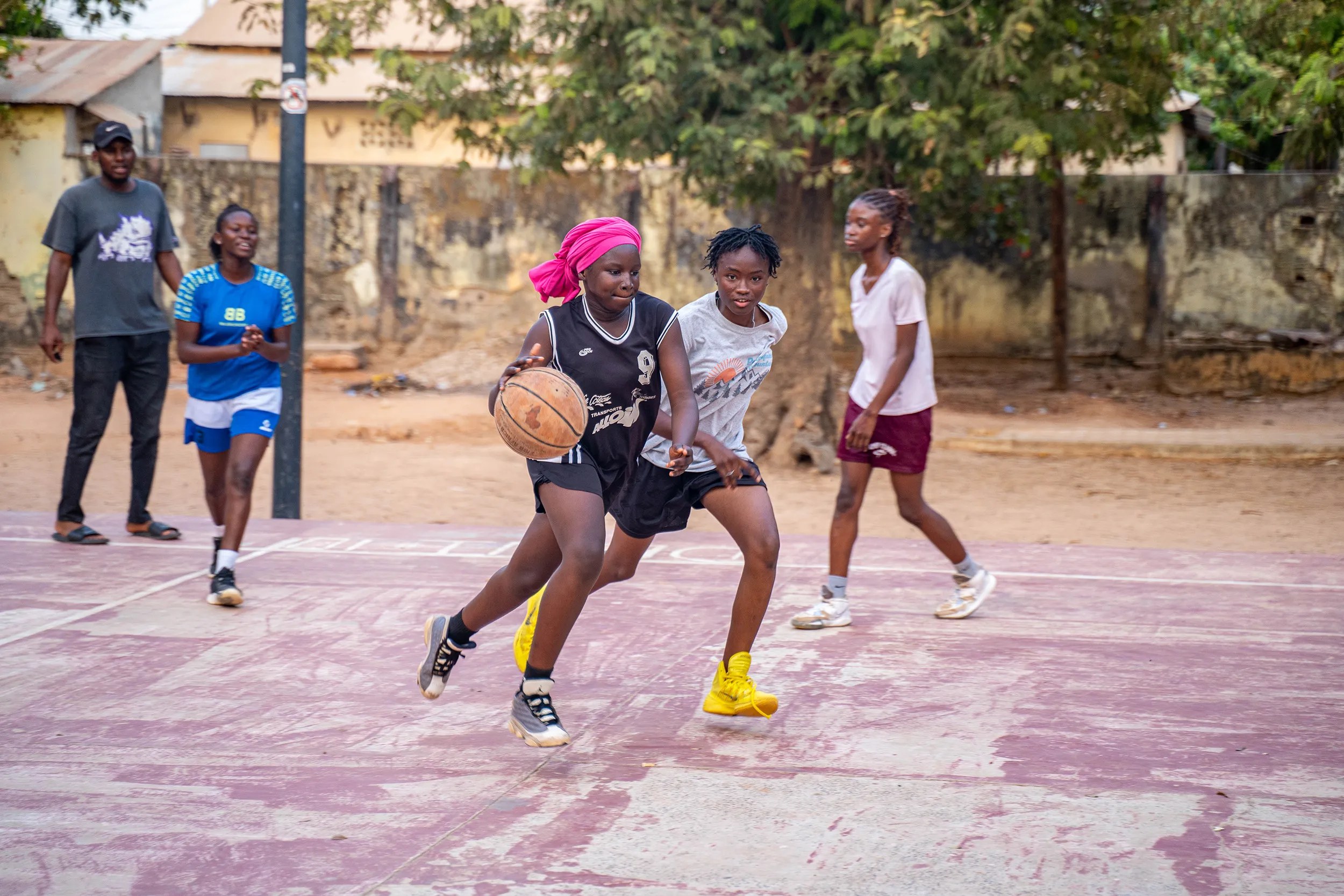
“Basketball is more than a sport to me — it’s like a second family.”
With the support of RECAF‑Jeu, funded by the Government of Canada through Global Affairs Canada (GAC), girls like Diarra are gaining the confidence, communication skills, and leadership capacity to navigate challenges and advocate for themselves and others.
Now balancing school, sport, and community leadership, Diarra hopes to inspire other girls to claim their space on and off the court. “I want them to believe they can do anything.”
The Renforcement des capacités des filles par le sport et le jeu (RECAF-Jeu) project, implemented by Right To Play with funding from Global Affairs Canada, empowers young people, especially girls, in Sédhiou and Ziguinchor, Senegal to build life skills, promote gender equality, challenge social barriers and lead through sport. To date, it has reached over 10,000 young people. The project strengthens girls’ leadership and life skills through play, while working with coaches and communities to challenge harmful gender norms and create safe spaces for girls to lead with confidence and reach their full potential.


