A Brother’s Keeper: Thomas Guiding Boys in Bongo
Stay Connected To Youth In Ghana
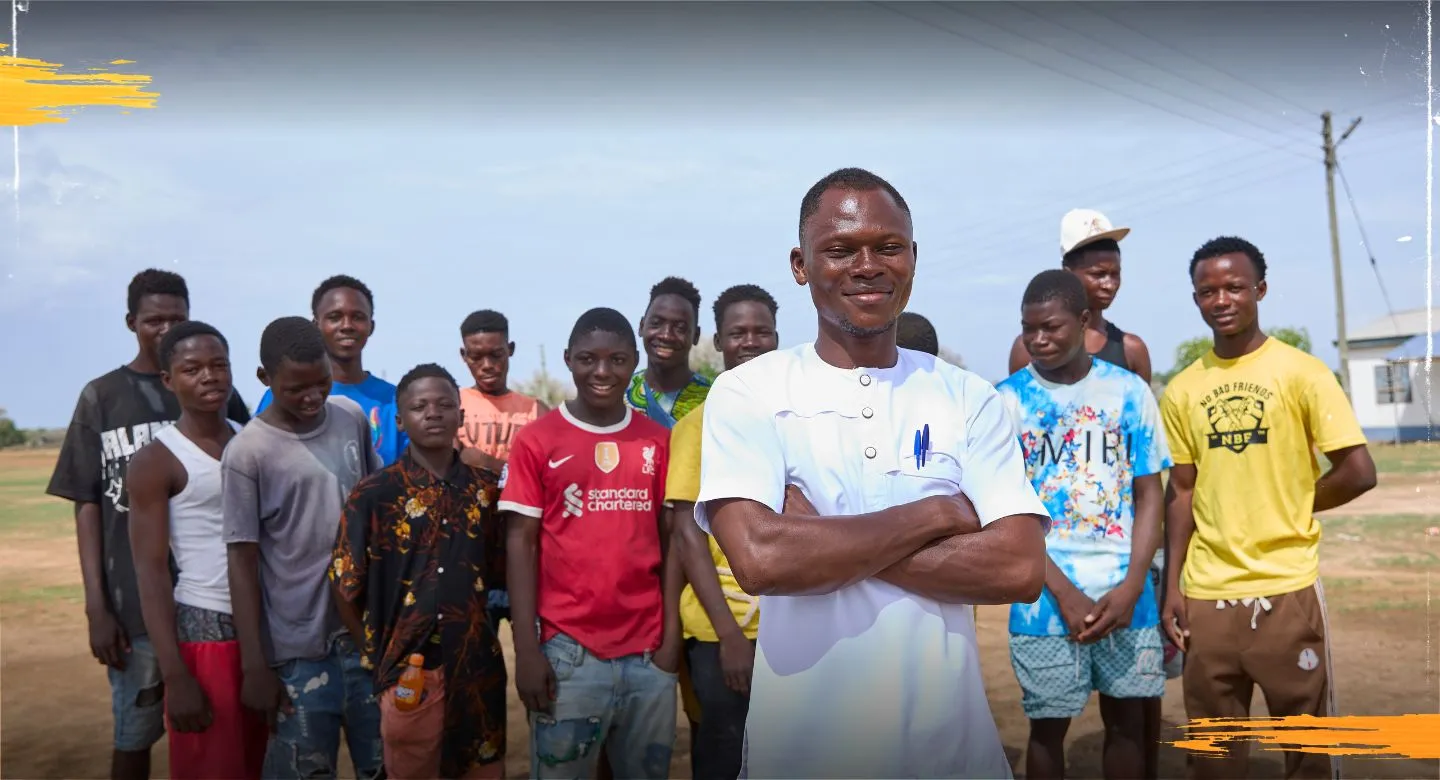
Inside the modest community health facility in Ayopia - Bongo, in Ghana’s Upper East Region, a group of adolescent boys and young men gather on wooden benches, their voices low at first. At the front of the room stands Thomas Ayivoore, a community nurse, holding up a condom and inviting questions many of them have never felt comfortable asking.
Just months ago, conversations about sexual and reproductive health rarely happened openly in this space. Many of the boys relied on friends or rumours for information about their bodies or relationships. Most of what the boys and young men knew came wrapped in myth, leaving them to make guesses that often carried real risks.
Confronting Myths and Building Trust
In the Upper East Region, about one in every seven teenage girls became pregnant in 2022; a stark reminder of the gaps in youth access to accurate reproductive health information. In communities like Bongo, discussions about family planning are often seen as a “female issue,” leaving boys without guidance on responsibility or consent.
For Thomas, this was not just a statistic. As a nurse, he regularly encountered young people navigating consequences they did not fully understand.
Determined to change this, Thomas stepped beyond the clinic walls. He began visiting homes, speaking with parents, and inviting boys to informal mentorship sessions. But he knew information alone would not be enough — trust had to come first.
“I just want my guys to see me as their senior brother.
Through Right To Play’s SHARE project, Thomas received training in playful, interactive methods — from role-playing scenarios to small-group discussions — that transformed his sessions from lectures into conversations. The boys were no longer passive listeners; they were active participants.
When Dialogue Replaced Silence
The impact became visible almost immediately. Desmond, one of his mentees who has attended sessions for three months says he now understands how to prevent sexually transmitted infections and unintended pregnancies, and how to communicate openly with his partner.
“Now, I understand how to avoid unwanted pregnancies.”
Akubila, another mentee, reflected on how the sessions reshaped his understanding of girls’ experiences. Learning about menstruation and gender equality helped him develop empathy — something rarely discussed among his peers before. “Now I understand what girls go through. We didn’t understand before — now we do,” he says.
The impact extends beyond the boys themselves. Joseph, a local Assemblyman and father, watched his son move from dropping out of school to becoming focused and responsible. “The community sees Thomas as someone who truly cares about our children’s future,” he says.
Midline data from the project shows progress: confidence among young people to seek reproductive health services increased from 63 per cent at baseline to 78 — a meaningful step toward informed decision-making.
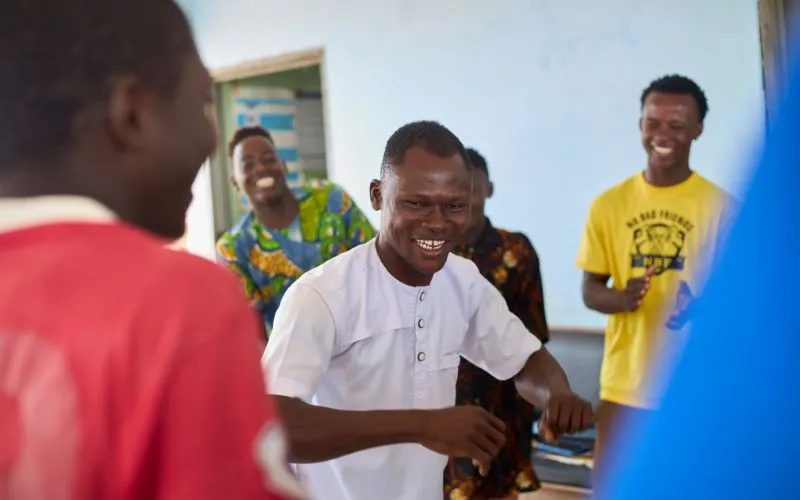
A Ripple That Continues
Thomas believes the real change will happen when the boys begin mentoring one another.
He envisions a generation of young men who challenge harmful norms, support their partners, and speak openly about health and respect. “I want this program to reach other communities,” he says.
By equipping one mentor with the right tools, the SHARE project is helping shift attitudes across Bongo proving that when boys are given knowledge, empathy, and safe spaces to talk, they can become protectors not just of themselves, but of their entire community.
The SHARE project, implemented by Right To Play in the Upper East Region of Ghana, equips young people with knowledge and life skills to make informed decisions about their health and relationships. Through mentorship, playful learning approaches, and community engagement, the project promotes gender equality and safer reproductive health practices among adolescents and young adults.