RECAF-Jeu: Five Years Of Advancing Girls' Rights Through Sport
Over five years (2021 – 2025), the Renforcement des Capacités des Filles par le Sport et le Jeu (RECAF‑Jeu) project harnessed the power of sport and play to advance girls’ rights, challenge gender norms, promote inclusion, and unlock leadership among girls, young women, and children and youth with disabilities across Senegal.
Led by Right To Play and funded by the Government of Canada through Global Affairs Canada, RECAF-Jeu was implemented across communities in southern Senegal through schools, sports clubs, local authorities, and community leaders — strengthening systems and shifting mindsets so girls and marginalized youth were not only able to participate in sport, but empowered to lead in sport and in life.
Our Impact, Measured
Across Senegal, five years of sustained investment in sport and play have driven real change for girls, young women, and marginalized youth. Together, we have demonstrated one clear truth: sport works for girls.
Five years of transformation — backed by evidence.
Youth Reached

25,000+ children and youth reached through sport and play
Supporting Girls

8500+ girls building confidence and claiming their space through sport
Inclusive Coaching

700+ coaches trained, including a growing number of female coaches
Youth Leadership

600+ youth-led advocacy actions advancing girls' rights and inclusion
Key Wins: Four Pillars of Transformation
RECAF-Jeu was designed around interlocking areas of change — from girls’ and young women’s leadership to community mindsets.
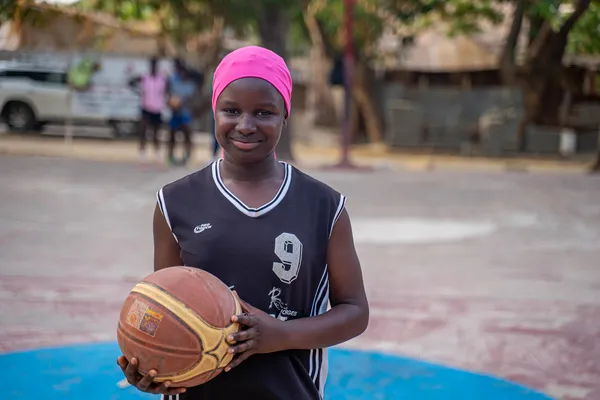
Young girls built confidence and developed into leaders — chairing youth councils, advocating in municipal governance, and mentoring peers — creating a new generation of rights champions through sport.
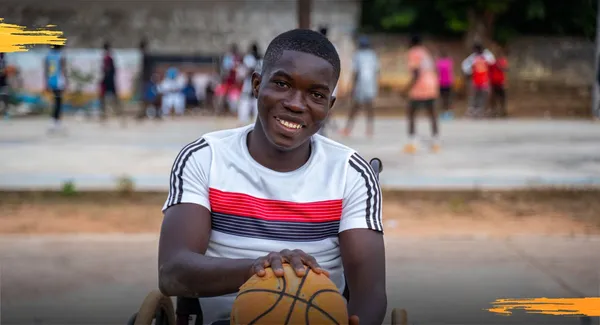
Through para-sport programs and inclusive spaces, we enabled children and youth with disabilities to participate, build confidence, and become advocates for their own rights within communities.
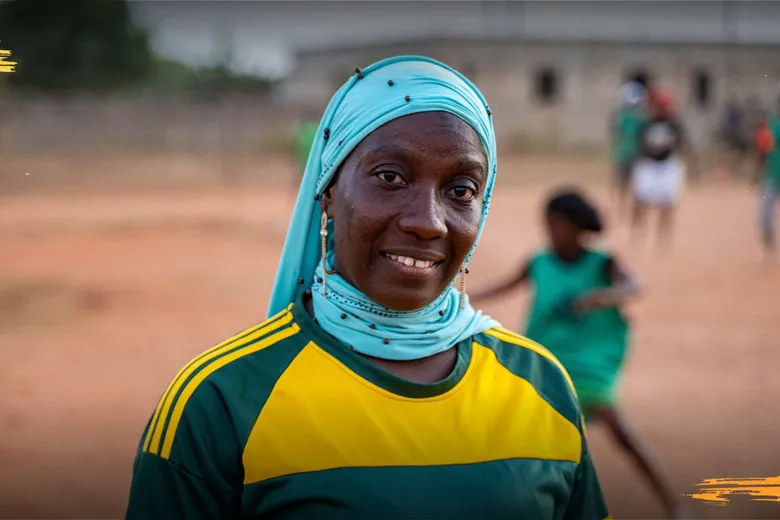
We invested in coach education — especially for women — including Licence D CAF certification, enabling women-led community sport clubs to formalize and compete at the national level for the first time. Coaches were trained not only in technical skills, but in child‑centred, gender‑responsive, and inclusive coaching — increasing the number and visibility of women coaches.
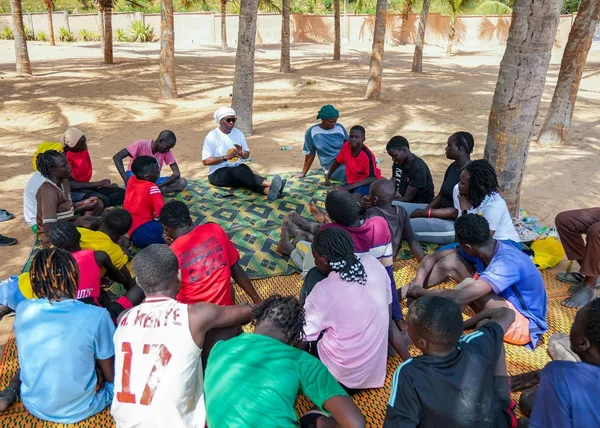
Targeted engagement with parents, community leaders, queen mothers, and religious figures shifted deeply held attitudes about girls in sport — with boys and men actively becoming allies.
Why Girls' Sport Matters
Girls’ participation in sport is still undervalued and under‑funded — despite overwhelming evidence of its impact on education, health, leadership, and social cohesion. When girls play, they build confidence, challenge harmful norms, and step into leadership roles. Communities grow stronger and more inclusive as a result.
RECAF‑Jeu demonstrates what is possible when girls are intentionally placed at the center of sport systems. Its results show that investing in girls’ sport is not optional — it is essential for gender equality and lasting social change.
Youth Olympics: Seven Athletes, One Global Stage
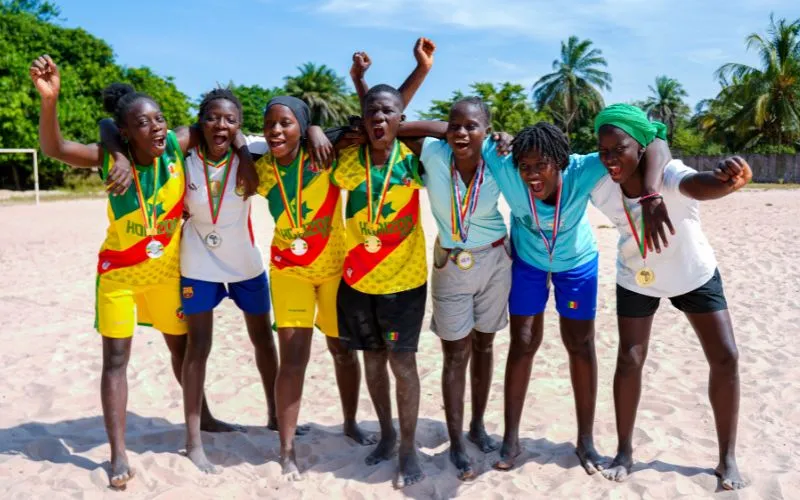
The Youth Olympic Games (YOG) Dakar 2026 represents a historic moment — the first YOG ever held on the African continent. Today, seven young people who began their journey through RECAF‑Jeu are preparing to represent Senegal on this world stage. Six of our seven qualifying athletes are girls. This is not coincidence. It is the direct outcome of five years of targeted coaching, inclusive spaces, and community belief-building.
Meet two of these inspiring athletes, Fatou and Elisabeth, whose journeys show how sport can unlock both potential and purpose.
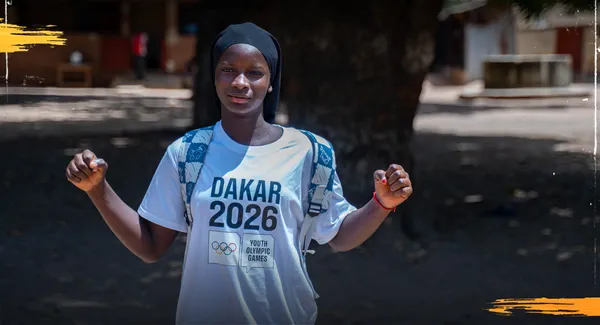
In Cap Skirring, Senegal, 14-year-old Fatou faced mockery and exclusion for pursuing her dream of wrestling. Through Right To Play’s RECAF-Jeu project, she built confidence, resilience, and leadership skills, transforming into a professional athlete selected for the 2026 Youth Olympics. Today, Fatou is a role model and advocate, breaking stereotypes and inspiring a new generation of girls to step confidently into the ring and into their future.
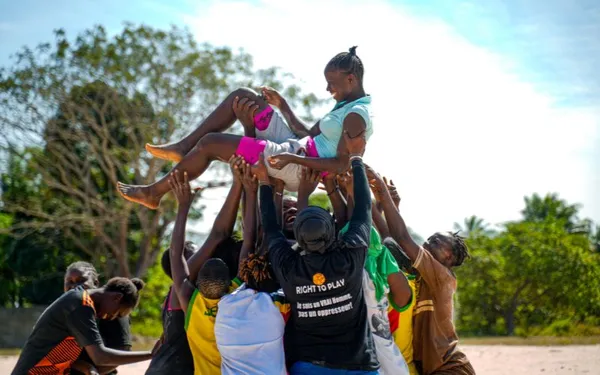
Born stateless after her parents fled conflict in Guinea-Bissau, Elisabeth grew up without citizenship, official documents, or a clear sense of belonging. Through the Right To Play–supported RECAF-Jeu project, Elisabeth found a safe space to train, built her confidence, and discovered her talent. With community support, she secured her nationality, rose through national competitions, and is now preparing to represent Senegal at the Youth Olympic Games Dakar 2026 — a champion in sport and identity.
What Partners Are Saying
The Renforcement des capacités des filles par le sport et le jeu (RECAF-Jeu) project, implemented by Right To Play with funding from Global Affairs Canada, empowers young people, especially girls, in Sédhiou and Ziguinchor, Senegal to build life skills, promote gender equality, challenge social barriers and lead through sport. To date, it has reached over 10,000 young people.
